
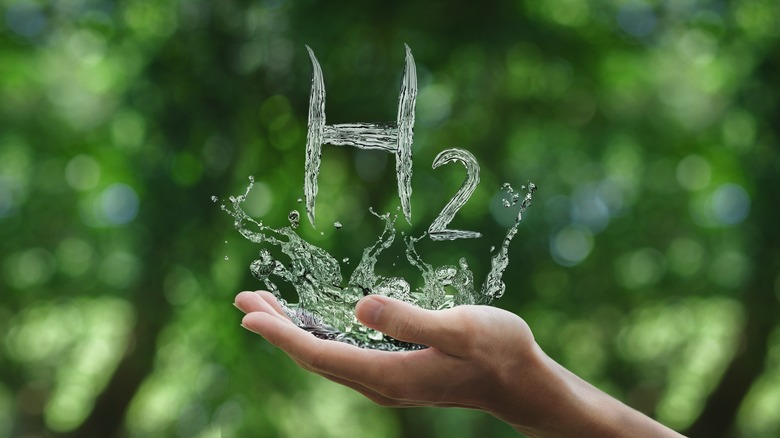
Let’s understand oxidation, aging, and the body’s repair process in one go.
We are all oxidizing every day. Breathing, staying up late, stress, environmental pollution, UV exposure, electronic devices…
These daily routines constantly produce something inside us: free radicals.
When free radicals outnumber the body’s ability to remove them, a state called oxidative stress occurs.
Oxidative stress is behind many health issues, such as:
- Skin aging and dullness
- Fatigue and slow recovery
- Decline in memory and concentration
- Poor metabolism and weight imbalance
- Chronic inflammation and long-term discomfort
In other words, aging and many chronic problems are not sudden, they are the result of long-term oxidative build-up.
Are More Antioxidants Always Better?
When it comes to antioxidants, many people think of:
- Vitamin C
- Vitamin E
- Glutathione
These are indeed helpful antioxidants. But what many don’t know is: not all free radicals are bad.
Some free radicals are essential “signaling molecules” for normal body functions. Removing them all might disrupt cellular activity.
That’s why scientists are now asking:
Is there an antioxidant that works effectively without causing “friendly fire”?
Hydrogen: A Smarter Antioxidant Molecule
This is where hydrogen (H₂) enters the spotlight. For years, hydrogen was considered a “safe but inert” gas.
Until 2007, Japanese researchers published a key study in Nature Medicine, revealing that hydrogen can selectively neutralize the most harmful free radical (•OH).
This discovery propelled hydrogen into medical research.
What Makes Hydrogen Special as an Antioxidant?
1. It Targets Only the Worst, Without Overdoing It
Hydrogen’s standout trait:
It neutralizes only the most damaging free radicals (•OH). Meanwhile, substances like superoxide (•O₂⁻) and hydrogen peroxide (H₂O₂), important for cell signaling in low concentrations are left alone.
This makes hydrogen a non-disruptive antioxidant for normal cell function.
2. It Goes Where It’s Needed
Many antioxidants struggle to reach the right places. Hydrogen molecules are so small they can:
- Cross cell membranes
- Enter mitochondria (where most free radicals are produced)
- Reach cell nuclei to protect DNA
- Cross the blood-brain barrier to enter brain tissue
This is why hydrogen is widely studied in brain health, nervous system function, and energy metabolism.
3. Safety Confirmed in Real-World Use
Safety is key when discussing antioxidants.
In deep-sea diving medicine, to prevent decompression sickness, divers inhale gas mixtures containing up to 49% hydrogen.
Even at such high concentrations, hydrogen has shown no toxicity or serious side effects.
By comparison, hydrogen concentrations used in health products (like hydrogen water or low-concentration inhalation) are far below this safety threshold.
Regulatory Recognition of Hydrogen’s Safety
- 🇯🇵 Japan’s Ministry of Health, Labour and Welfare lists hydrogen as a food additive (No. 168)
- 🇪🇺 EU food additive regulations include hydrogen in nutritional categories
- 🇨🇳 Chinese national standards recognize hydrogen as a food additive
These regulations are based on established safety assessments.
What Can Hydrogen Actually Do for the Body?
In simple terms, hydrogen is not a “treatment” for disease. It helps reduce oxidative stress and supports the body’s natural repair mechanisms.
When oxidative stress decreases, people often experience:
- Faster recovery
- Reduced inflammation
- More stable energy metabolism
- Lower long-term health burden
This is why hydrogen is now widely researched for:
- Supporting chronic disease management
- Brain and nervous system health
- Exercise recovery and fatigue reduction
- Aging and metabolism-related issues
Conclusion: Hydrogen Isn’t Magic, It’s Just Right
Hydrogen is not a drug or a miracle cure. Its real value lies in:
- Not interfering with the body’s normal functions
- Not adding extra burden
- Offering gradual, long-term support rather than quick fixes
In a high-stress, high-pollution, high-demand world, what the body often needs is not stronger stimulation, but gentler, more harmonious support.
That may be why hydrogen is gaining more attention.
Not because it’s extraordinary, but because it’s just right.
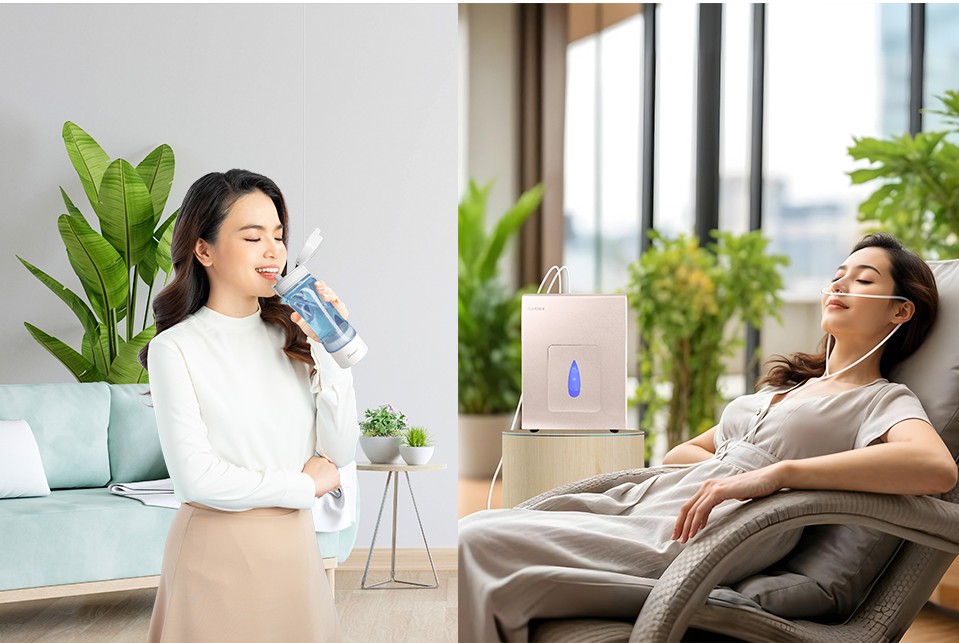
SOYOSHI Hydrogen Water Generator
- Generates over 1,200 ppb hydrogen water in 3 minutes
- Hydrogen and oxygen separation technology
- Certified by Japan’s Ministry of Health
- Backwash function for self-cleaning
- Bottle made of U.S. Tritan™ (BPA-Free)
- U.S. FDA-Compliant materials
- Free from plasticizers & heavy metals
- Portable & travel-friendly
- SGS-Certified
SOYOSHI Aqua vitalité Oxy-Hydrogen Inhaler
- 900cc/min Hydrogen-Oxygen Flow
- Industry-Leading 5N-Grade Oxy Hydrogen Tech (99.999% Purity)
- Advanced N117 Proton Exchange Membrane (PEM)
- Supervised by Japan’s Orient Pharmaceutical Co., Ltd.
- Certified BY Japan’s PSE Safety Standards
- SGS-Certified | Heavy Metal & Impurity-Free
- Patented Air-Water Separation for Safe Inhalation
- Advanced Active Cooling System
- Medical-Grade Power Supply
- Exclusive Patented Exterior Design
SOYOSHI
- 10 years R&D by 7 scientists
- Certified by Japan’s Ministry of Health
- Certified by Japan’s PSE
- Natural Health 2019 Award
- Available in Japan, Taiwan, Malaysia, China, India, etc